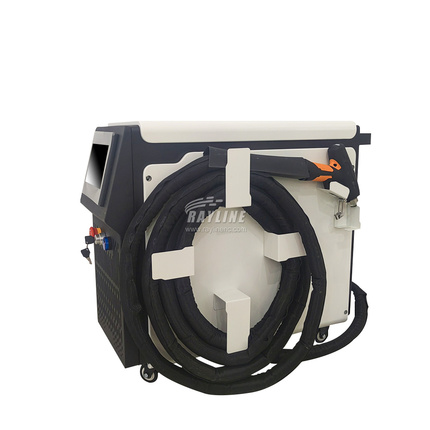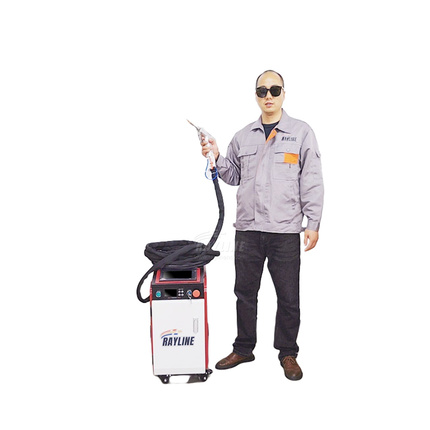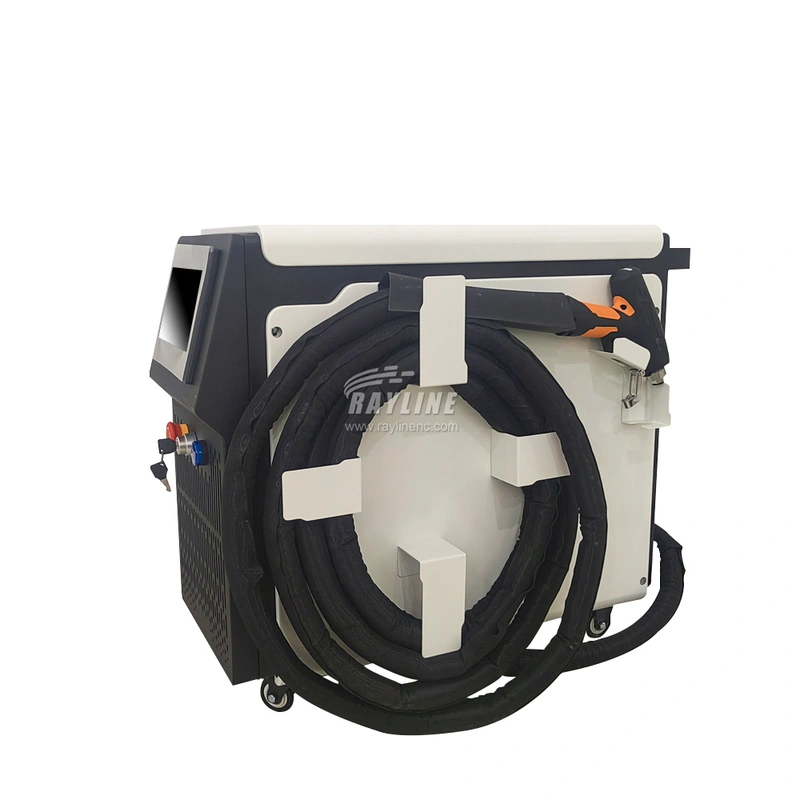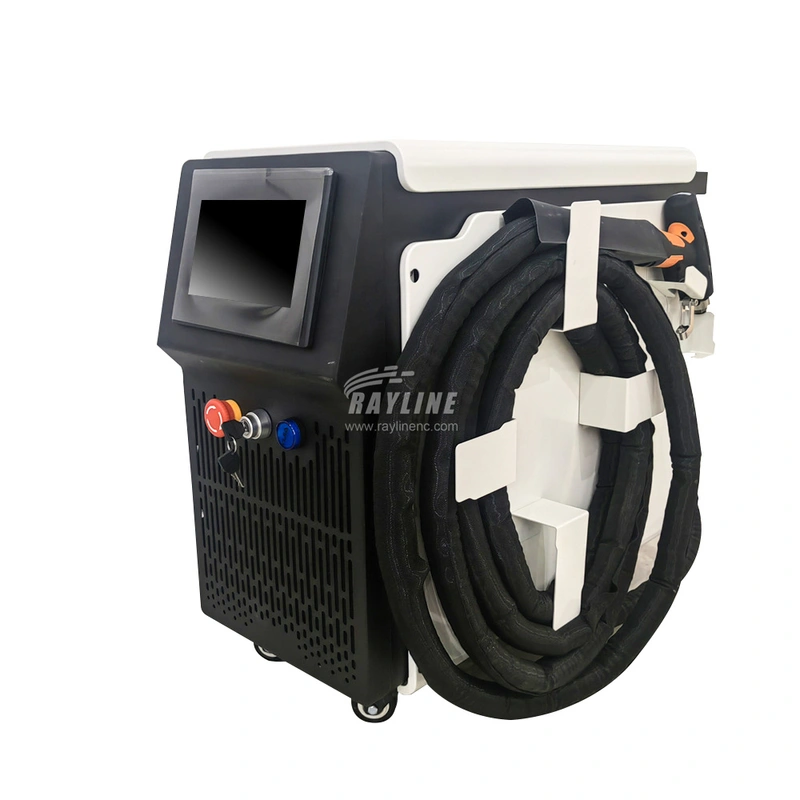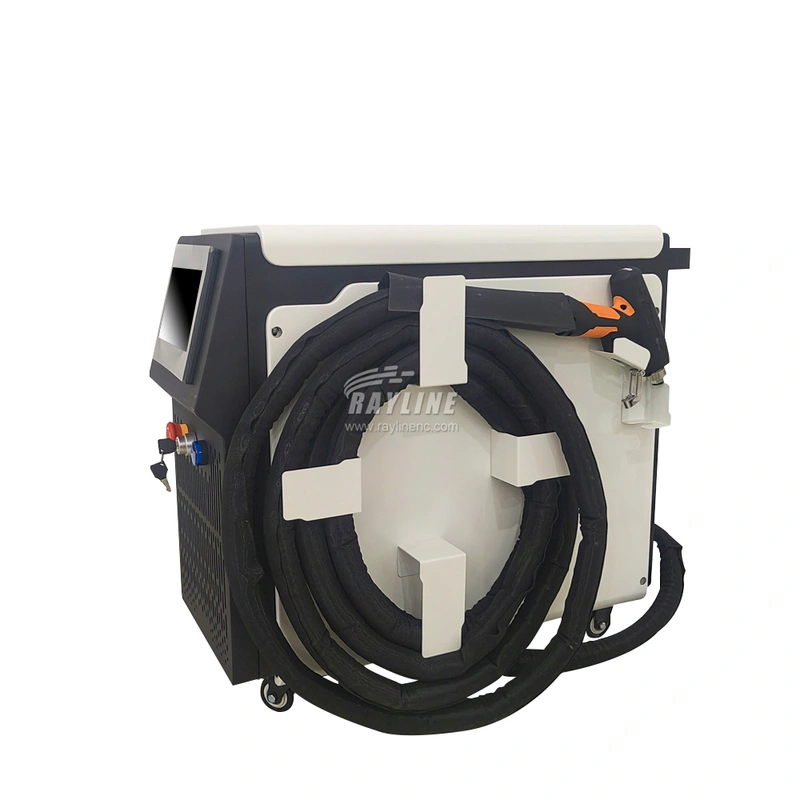















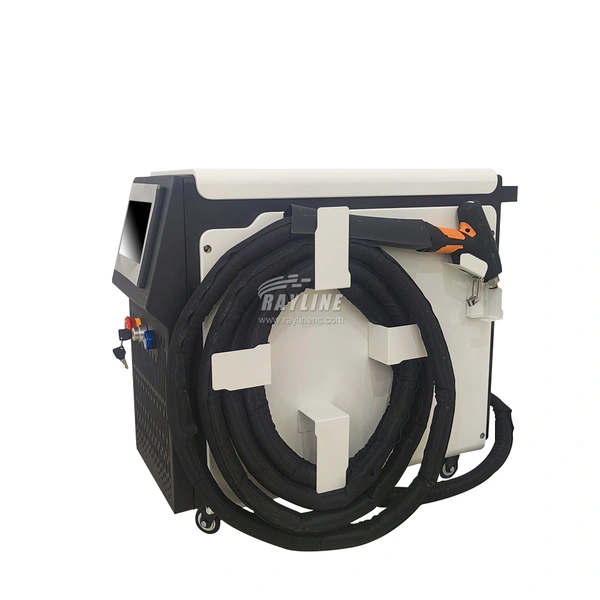
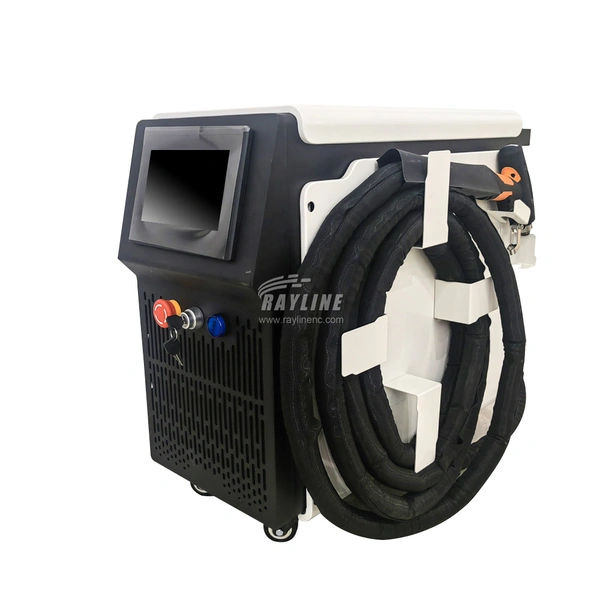
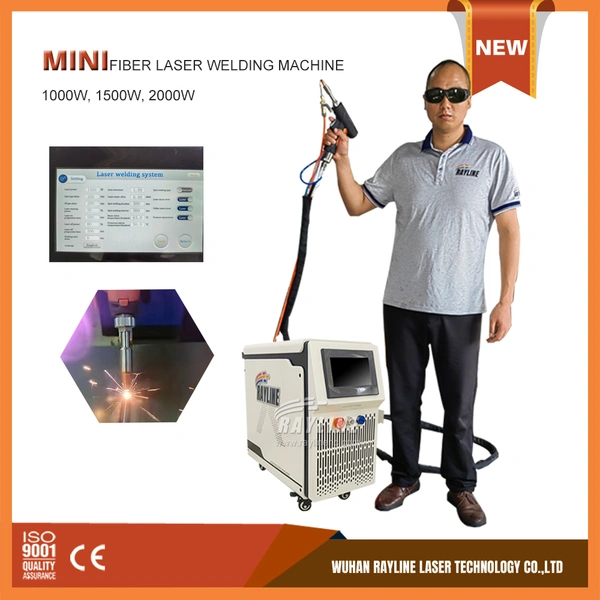
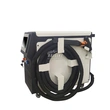
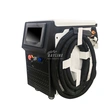
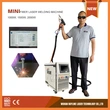
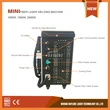
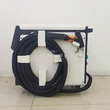
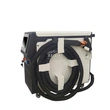
Máquina de soldadura láser portátil de fibra metálica, máquina de soldadura láser de mano

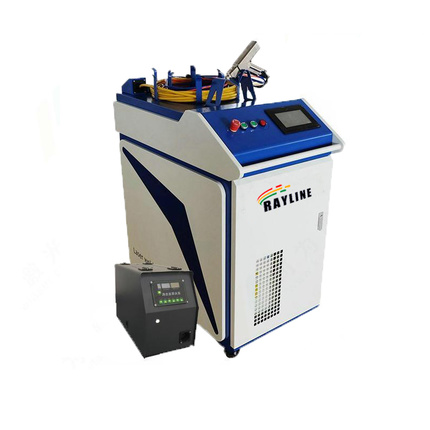
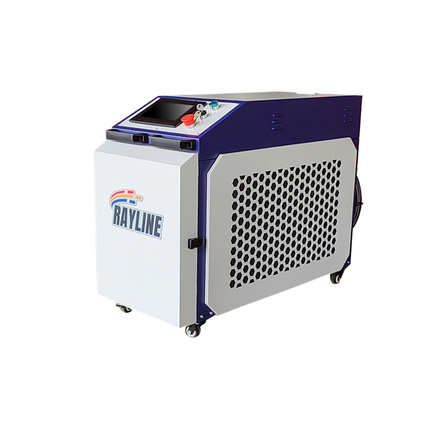
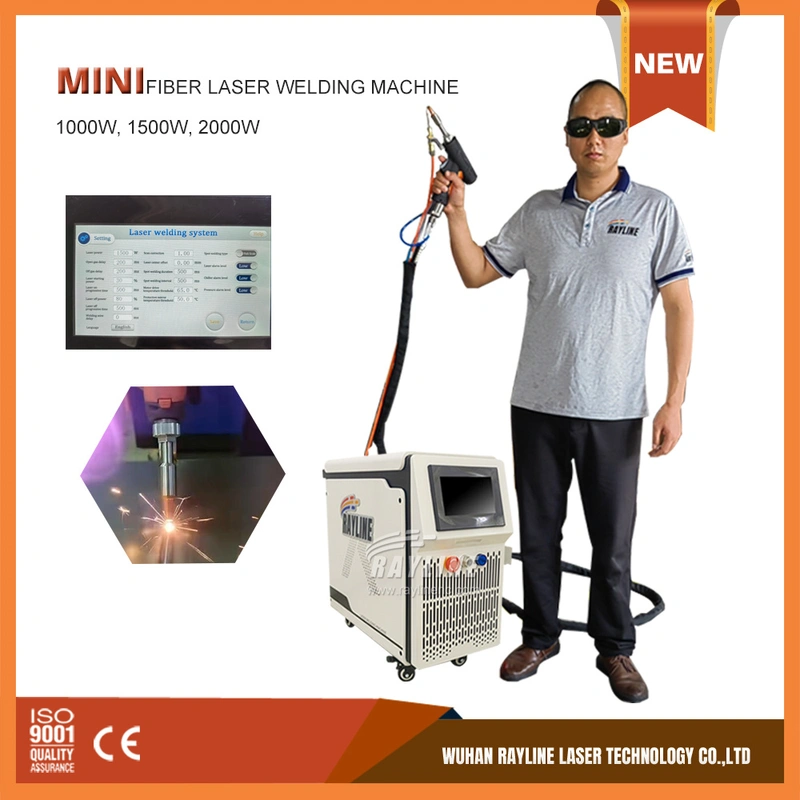
Air-cooled laser welding machines are laser welding devices that use forced air cooling and usually employ high-power fans for heat dissipation. This forms a sharp contrast with the more common laser welding machines currently on the market that use water-cooled machines for heat dissipation.
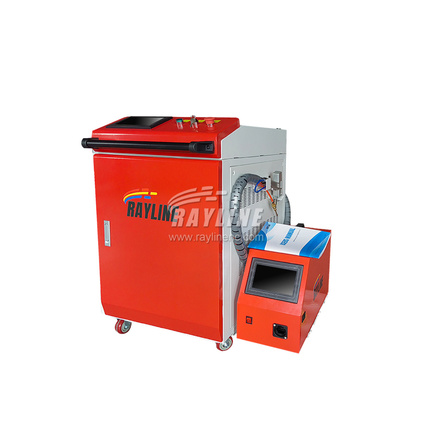
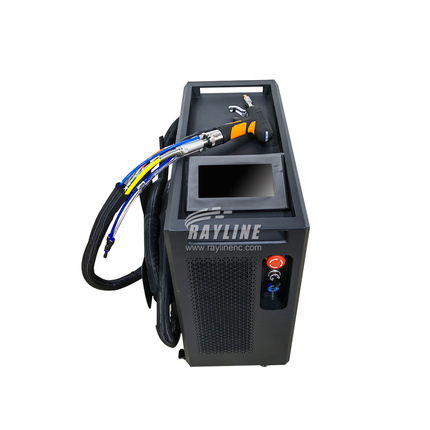
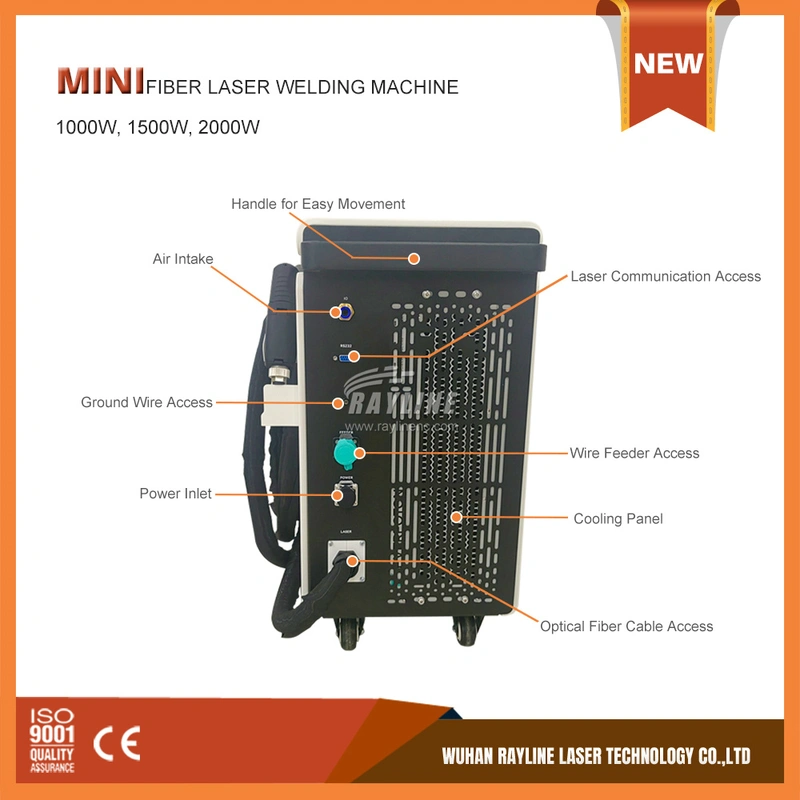
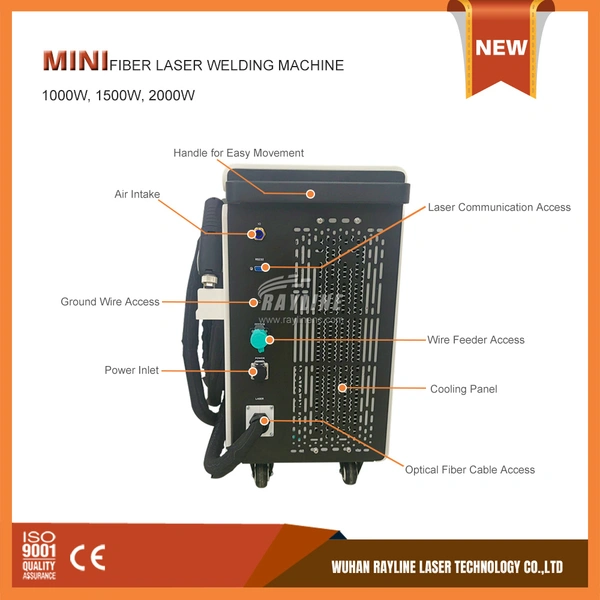
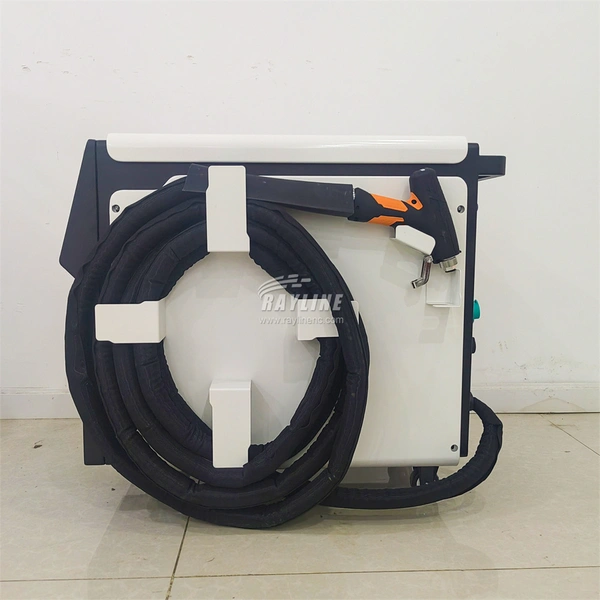
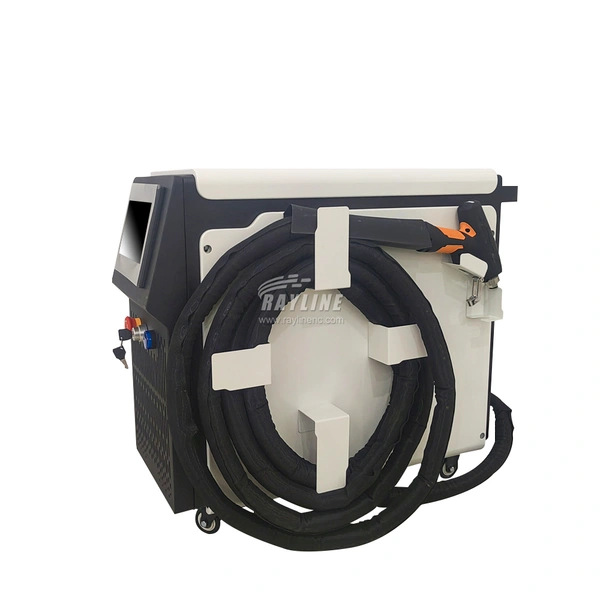
This is the most revolutionary advantage of air-cooled laser welding. It eliminates the need for a large and bulky external water chiller, integrating the laser, cooling system and control unit in a single chassis.
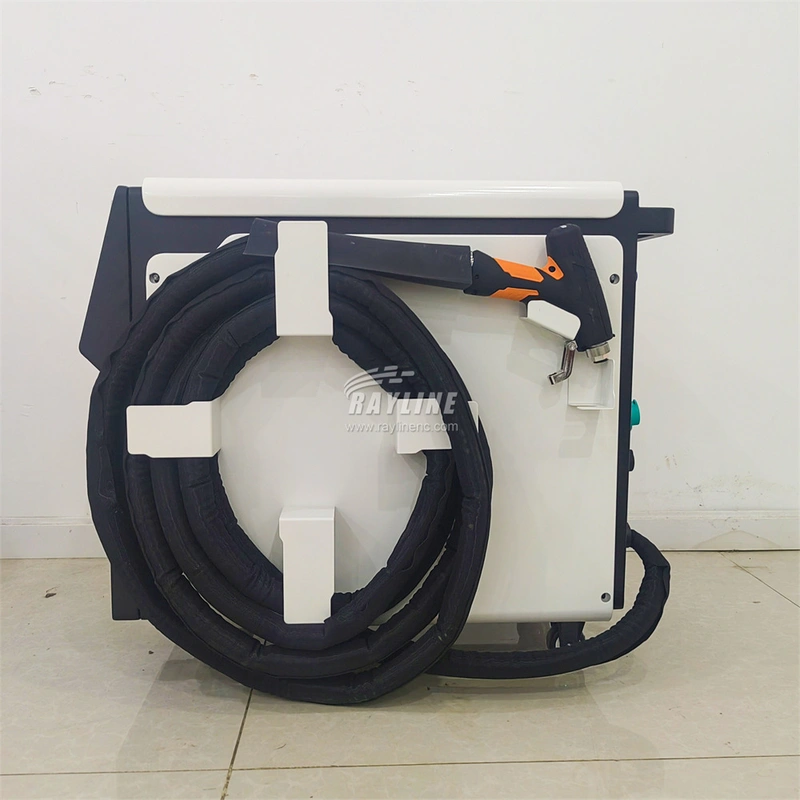
The equipment is compact in size and extremely easy to move. It can even be easily pulled from one workstation to another like a suitcase, or flexibly scheduled between different workshops. The operation preparation is simple and plug-and-play.

| Model | RA-HW1000N | RA-HW1500N | RA-HW2000N |
| Laser Power | 1000W | 1500W | 2000W |
| Wavelength | 1070nm | 1070nm | 1070nm |
| Output fiber length | 50um/8m | 50um/8m | 50um/8m |
| Spot width | 5mm | 5mm | 5mm |
| Laser Welding Depth | 2mm | 4mm | 5mm |
| Laser Cleaning Width | 30mm, It can be customized to 120mm or wider | ||
| Laser Cutting Thickness | 1.2mm | 1.5mm | 2mm |
| Electricity demand | 220VAC/50Hz/60Hz | 220VAC/50Hz/60Hz | 220VAC/50Hz/60Hz |
| Total power | 4.2kw | 4.5kw | 4.5kw |
| Welding head size | 296 x 39 x 147 mm | 296 x 39 x 147 mm | 296 x 39 x 147 mm |
| Overall size | 650 x 350 x 600 mm | 650 x 350 x 600 mm | 650 x 350 x 600 mm |
| Total Weight | 40KG | 42kg | 45kg |
| Cooling Method | Air- Cooled | ||
| Machine Language | English, Portuguese, Italian, Russian, French, German, Spanish, Polish, Korean, Turkish, Greek, Chinese, Czech, Japanese, Slovak, Thai, Vietnamese, Romanian, Customized | ||
| Opreating System | Built in Colors touch Screen for Laser Welding+ Laser Cleaning +Laser Cutting | ||
| Application | Widely used in hardware industries such as cabinets, kitchens and bathrooms, staircase elevators, stainless steel homes,ect | ||

Core Advantages: Extremely high convenience and mobility
a. No water-cooling machine is required, and the equipment has a high degree of integration
Traditional water-cooled machines require connection to water sources, addition or replacement of coolant (deionized water), and prevention of pipe blockage and leakage. Air-cooled laser welding completely eliminates these steps. Just connect the power supply, turn on the switch, and the device will quickly enter the working state, greatly reducing the complexity of use and preparation time.
b. No risk of freezing and simple maintenance
No water-cooling related troubles: There is no risk of scale or algae growth clogging the pipes, and there is no need to worry about the coolant freezing in cold environments.
c. Low maintenance cost.
Basically, it only requires regular cleaning of the dust-proof net and keeping the fan air inlet unobstructed. The maintenance work is very simple and does not consume consumables such as coolant.
Applicable Scenarios and Economic Benefits
a. It is particularly suitable for maintenance, small-batch and diversified production
For scenarios such as mold repair, hardware processing, kitchenware repair, and display cabinet production, the work is often fragmented and diverse. The flexibility of air-cooled laser welding makes it a "universal toolbox in the welding field", ready to be needed at any time.
b. Conservación de la energía y protección del medio ambiente
El consumo energético de un sistema de refrigeración por aire es mucho menor que el de la bomba de agua y el compresor de una máquina refrigerada por agua. Por lo tanto, durante el mismo tiempo de uso, el consumo total de energía de los equipos refrigerados por aire es menor y más eficiente energéticamente.
c. La inversión inicial y el costo total de propiedad son relativamente bajos.
Al eliminarse el enfriador de agua, el costo total de adquisición del equipo suele ser más competitivo. Asimismo, gracias a su sencillo mantenimiento y bajo consumo energético, su costo total de propiedad a largo plazo se ha controlado eficazmente.

a. Talleres de procesamiento y reparación de soldadura: Necesitan manejar una amplia variedad de tareas de soldadura dispersas en ubicaciones no fijas.
b. Empresas emergentes o pequeños productores: Presupuestos limitados y producción no exclusivamente en grandes cantidades de una sola variedad.
c. Situaciones en las que se requiere soldadura in situ o al aire libre: por ejemplo, en obras de construcción o lugares de instalación donde no se puede proporcionar una fuente de agua estable.
d. Los usuarios se dedican principalmente a soldar chapas delgadas, piezas de ferretería y elementos decorativos. Se otorga gran importancia a la comodidad y la rapidez del equipo.